
Signs of Sick Shrubs in Fort Worth, Texas
Boxwood, holly, photinia and nandina all fail in recognisable ways in Fort Worth. How to read the symptoms and what is worth treating.
Updated 2026-09-08 · Tree Service Pros
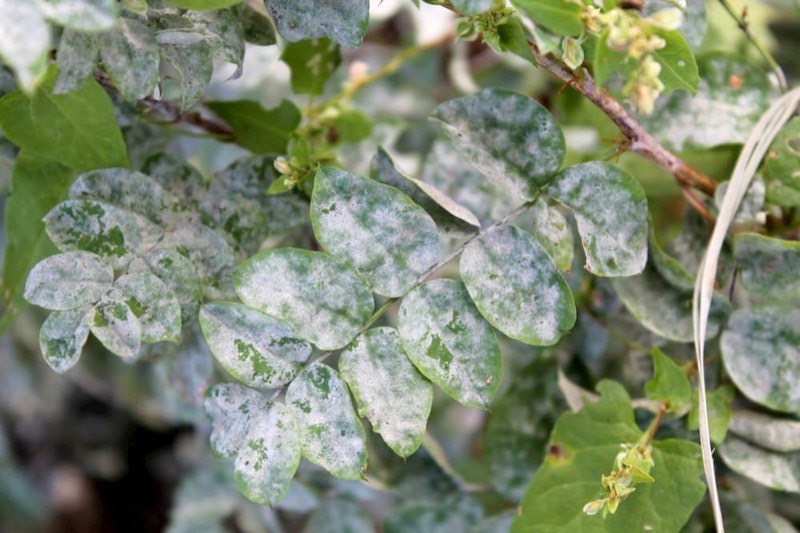
Shrubs fail from the roots up, and usually from water
Foundation plantings live in the hardest microclimate on a property: reflected heat off brick, compacted builder's fill, a drip line that concentrates roof runoff on one spot, and irrigation zoned for turf rather than woody plants. Most shrub problems in Fort Worth trace back to water — too much, too little, or too shallow — before they trace back to a pathogen.
By symptom
Sudden browning of a whole branch or one side
Usually root damage or a vascular blockage on that side. Check for a buried stem base, a girdling root, or trenching work done nearby in the last two years.
Leaves yellow between green veins
Iron chlorosis, and in Fort Worth's alkaline soil it is endemic. Hollies, gardenias, azaleas and nandina show it readily. Chelated iron corrects the symptom; species choice avoids it permanently.
Boxwood thinning from the inside out, with black streaking on stems
Possible boxwood blight, which is serious and highly transmissible on tools and clothing. Do not shear it and move to the next plant. Get it identified first.
Photinia with red-bordered grey spots on the leaves
Entomosporium leaf spot. It is effectively endemic to red-tip photinia in North Texas, it defoliates the plant repeatedly, and it eventually kills it. Photinia is a poor bet here; most people are better served replacing it than treating it annually forever.
Wilting despite wet soil
Root rot — Phytophthora, most likely. The soil is holding water the roots cannot live in. Fix drainage first; fungicide without drainage correction is money spent on a symptom.
White cottony masses, sticky leaves, black film
Scale or mealybug, with sooty mould growing on the honeydew. Treatable, and usually a sign the plant is already stressed by something else.
Three fixes that solve most of it
- Check planting depth. The stem base should flare where it meets the soil. If it goes into the ground like a broom handle, it is too deep.
- Mulch properly. Two to three inches, pulled back from the stems. Not the volcano of mulch piled against the trunk that landscapers favour.
- Water deeply and less often. Turf irrigation schedules keep shrub roots shallow and shrub crowns wet — both bad.
If several shrubs are declining together, the cause is nearly always the site rather than a disease moving between them. Our Fort Worth assessment covers shrubs as well as trees, and it is free.
Tree Service Pros provides tree trimming, removal, stump grinding and land clearing across Tarrant, Johnson, Parker, Hill and Bosque Counties. Estimates are free — (817) 508-9940 or request one online.
More from the blog
Tree Surgeons in Fort Worth: What the Term Actually Means
“Tree surgeon” is a job description, not a credential. Here is what to look for instead when you are hiring someone to work on a tree in North Texas.
Read →Choosing a Tree Removal Company in Fort Worth: A Checklist
Tree removal produces more uninsured-loss disputes than any other home service. How to compare quotes, what should be in writing, and the questions that matter.
Read →Signs of a Sick Willow Tree in Arlington, Texas
Willows are fast, thirsty and short-lived in North Texas. The symptoms that mean treatment, the ones that mean removal, and why the species struggles here.
Read →Free estimate across five counties
Trimming, removal, stump grinding, land clearing and storm work.
Monday–Friday, 8:00 AM – 5:00 PM · Storm and hazard calls are answered outside office hours.